
Developing an understanding of how to build healthy connections with ourselves and with others begins early in life. And it’s usually learned by example. Children watch how adults communicate, manage conflict, show care and follow through. Over time, those observations shape what young people come to expect from relationships and what they believe they deserve.
For kids who have experienced trauma, those early examples are often missing, inconsistent or harmful. Instead of learning that bonds with others can be safe and supportive, many become guarded, self-reliant or wary of connection altogether. Trauma can interrupt the natural process of building trust, leaving them unsure of how to form positive attachments — or whether they can rely on adults or peers at all.
Healing begins when these patterns are gently rewritten through everyday moments with caring adults who listen, set boundaries with compassion and show up consistently. Over time, those relationships help restore a sense of safety, strengthen self-worth and make recovery possible.
As we recognize Healthy Relationships Month, it’s important to expand the conversation beyond romance. For many youth, especially those in our care, the most meaningful relationships are the ones that model stability, respect and trust. These connections lay the foundation for lifelong well-being and start with adults who are willing to lead by example.
What Healthy Relationships Look Like for Youth in Care
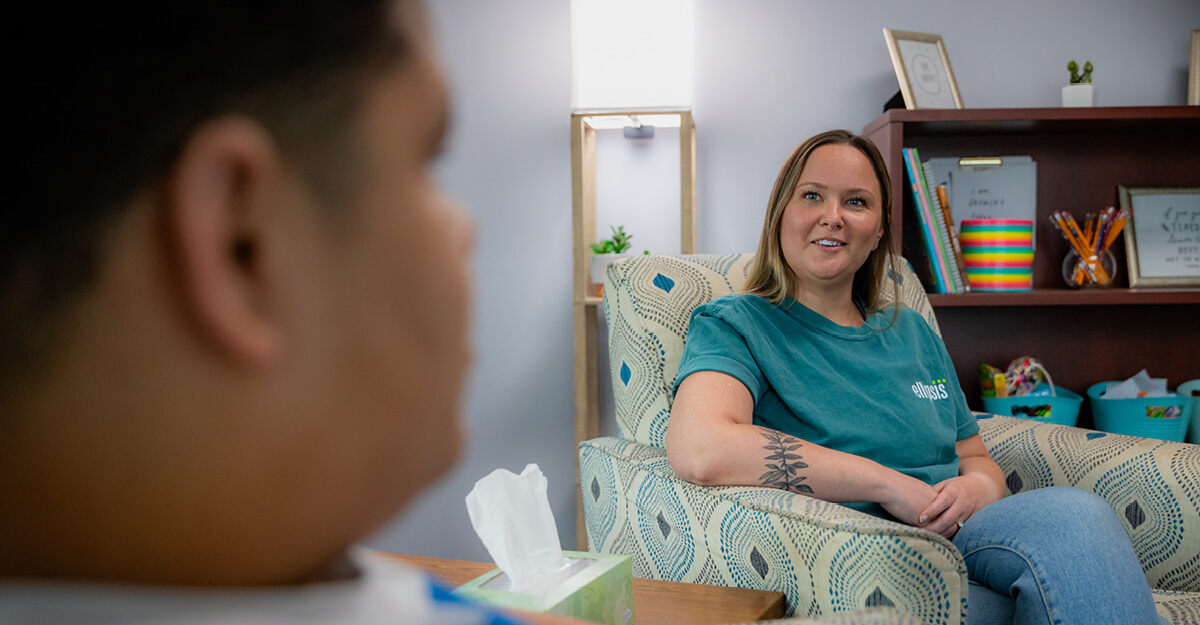
Healthy relationships aren’t perfect, and they aren’t always easy, especially when a young person is learning to trust again. For those in Ellipsis programs, supportive adult connections often look like:
- An adult who shows up consistently
- Someone who listens without judgment
- Clear boundaries paired with empathy
- Accountability that feels supportive, not punitive
- Encouragement that builds confidence and independence
These experiences help youth rewrite internal narratives shaped by trauma, shifting from “I’m on my own” to “I’m supported,” from “I don’t matter” to “I’m valued.”
The Centers for Disease Control and Prevention’s Essentials for Childhood framework highlights that safe, stable, nurturing connections help children develop lifelong skills for emotional regulation, problem-solving and positive interactions. Ultimately, strong bonds can protect kids from adverse childhood experiences.
How Ellipsis Builds Trust Through Caring Adults
At Ellipsis, healthy relationships are not left to chance. Connection and care are intentionally built into every program we offer.
In our shelter and residential programs, youth often arrive during moments of crisis. Many are scared, overwhelmed and unsure who they can trust. Consistent staff presence helps create a sense of safety from the very beginning. By showing up reliably, setting clear expectations and responding with compassion, our staff begin the slow but powerful work of rebuilding trust.
For older teens in Supervised Apartment Living, connections take on a different but equally important role. Staff provide guidance while encouraging independence, helping them learn how to build healthy dating relationships, manage conflict and ask for help when they need it. These skills are critical as young people prepare for life beyond care.
Across all programs, Ellipsis staff understand healing doesn’t happen overnight. Trust is built one interaction at a time.
Love Lasts Longer Than February
Healthy Relationships Month is a reminder that love isn’t always flashy. Sometimes, it looks like patience. Sometimes, it looks like boundaries. And often, it looks like adults who keep showing up even when trust takes time.
While youth are in our care, it is our hope and mission to restore confidence and help them recover from trauma. Throughout February, we invite you to consider how you are showing up in your relationships. How can you foster healthy habits and experiences, trust, and love with those around you, especially young people in your life?
When you start nurturing strong connections with yourself and others, the community around you will feel it — just like we feel the impact here every day.